

The Frederick II Itinerary
Jesi and Frederick II in the heart of the Marche Middle Ages: between imperial history and timeless architecture
In December 1194, Constance of Hauteville stopped in Jesi while traveling through the March of Ancona to join her husband, Henry VI, Emperor of the Holy Roman Empire, in Sicily. On December 26, Constance gave birth to Frederick II. According to tradition, the birth took place under a tent in Piazza San Floriano—now Piazza Federico II—in the presence of the city’s civil and religious authorities.
King of Sicily from 1196, he was placed under the guardianship of Pope Innocent III from 1198. Elected King of Germany in 1212, he received the crown of the Holy Roman Empire from the new Pope, Honorius III, in 1220. He came into conflict with the papacy by disregarding calls for a crusade and was excommunicated in 1226. In 1228, he led an expedition to the Holy Land, during which he successfully reclaimed Jerusalem by negotiating a peace treaty with the sultan. In Germany, he granted wide autonomy to the high nobility at the expense of the lesser nobility, the cities, and ultimately the crown itself, whose authority was severely limited. He placed the political and administrative center of his government in Sicily, creating a centralized bureaucratic apparatus and launching an organic body of laws with the Constitutions of Melfi in 1231.
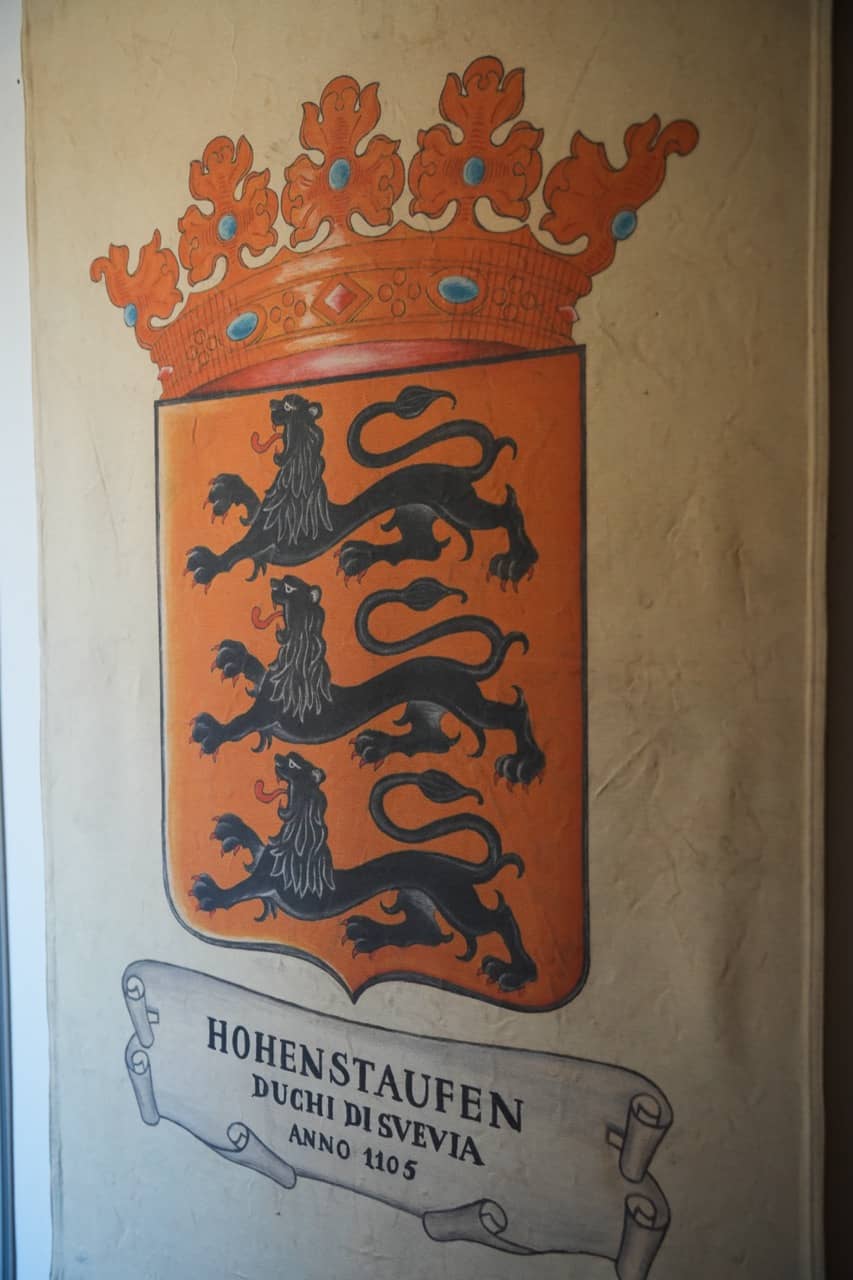
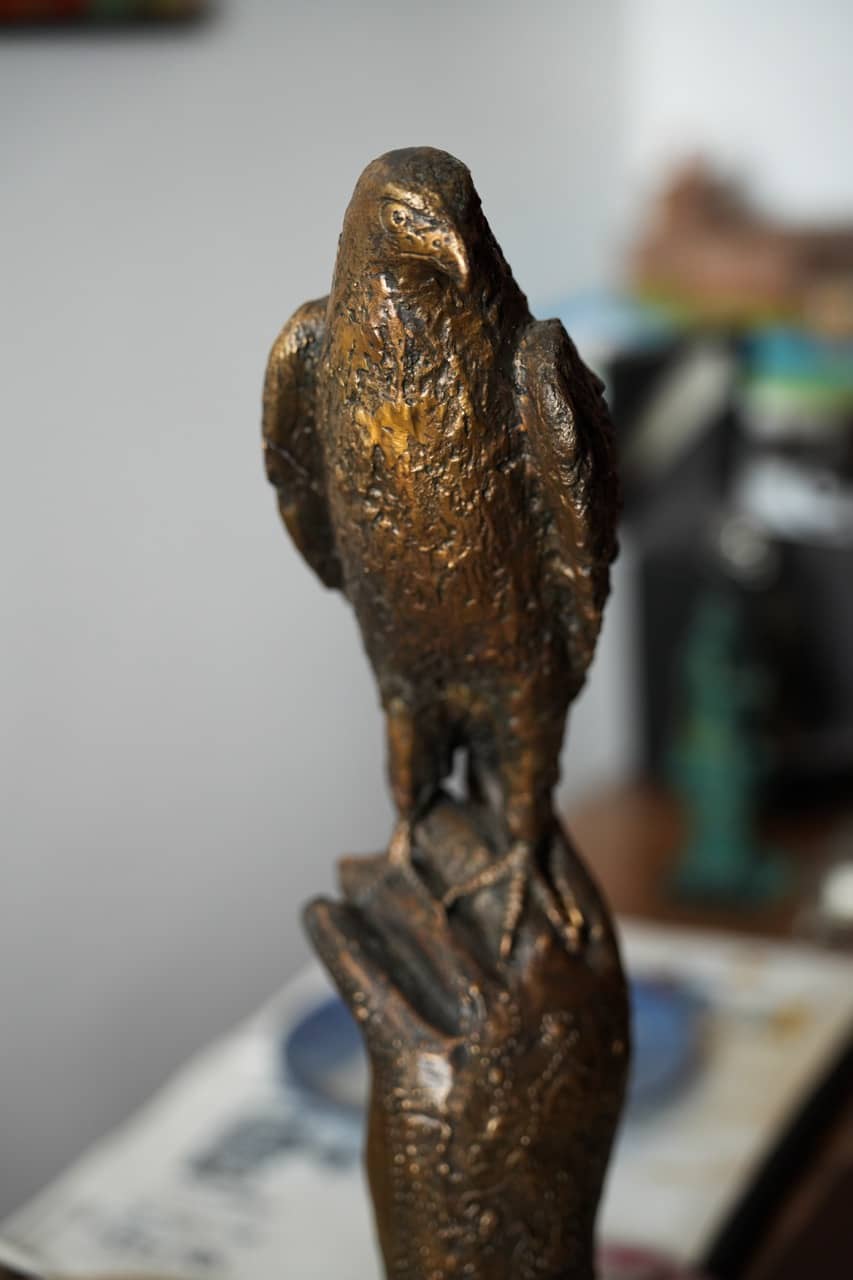
His court in Palermo became a crossroads and a center for the dissemination of Arabic, Greek, and Jewish cultures. Placing himself at the head of Italian Ghibellinism, he engaged in a twenty-year conflict with the papacy—by which he was excommunicated again in 1239—and with the Guelph forces, particularly the free communes of northern Italy. Although he defeated them at the Battle of Cortenuova in 1237, he was later beaten by them at the subsequent Battle of Parma in 1248. He died at Castel Fiorentino, near Lucera, in 1250.
The Frederick II Network (Rete Federiciana) encompasses towns and villages across the Marche region. Although tangible artifacts directly linked to Frederick II can no longer be seen here, these places safeguard an intangible heritage tied to the Swabian emperor that deeply influenced the development of the region’s cultural identity. Stretching from Jesi to the Sibillini Mountains, the proposed itinerary embraces walled settlements, monasteries, urban centers, palaces, and churches that gave birth to courageous figures—some supporting, others opposing the emperor. It is a story woven from struggles, alliances, and betrayals, political and social innovations, as well as artistic and linguistic experiments.
