CIty walls
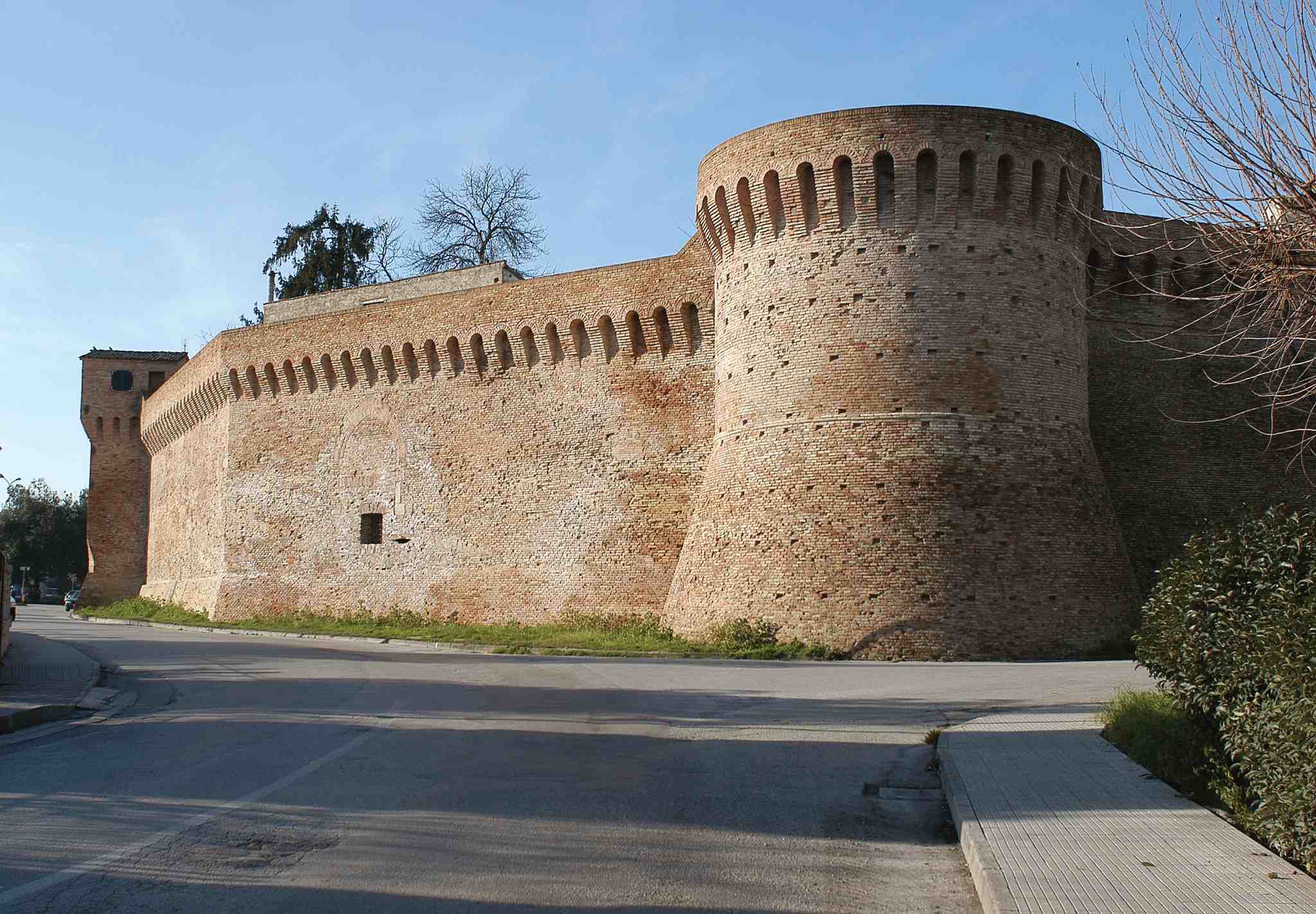
The city walls of Jesi, one of the finest examples in the region, still reveal
today the strength and solidity of the city’s ancient defensive system
The Medieval Walls
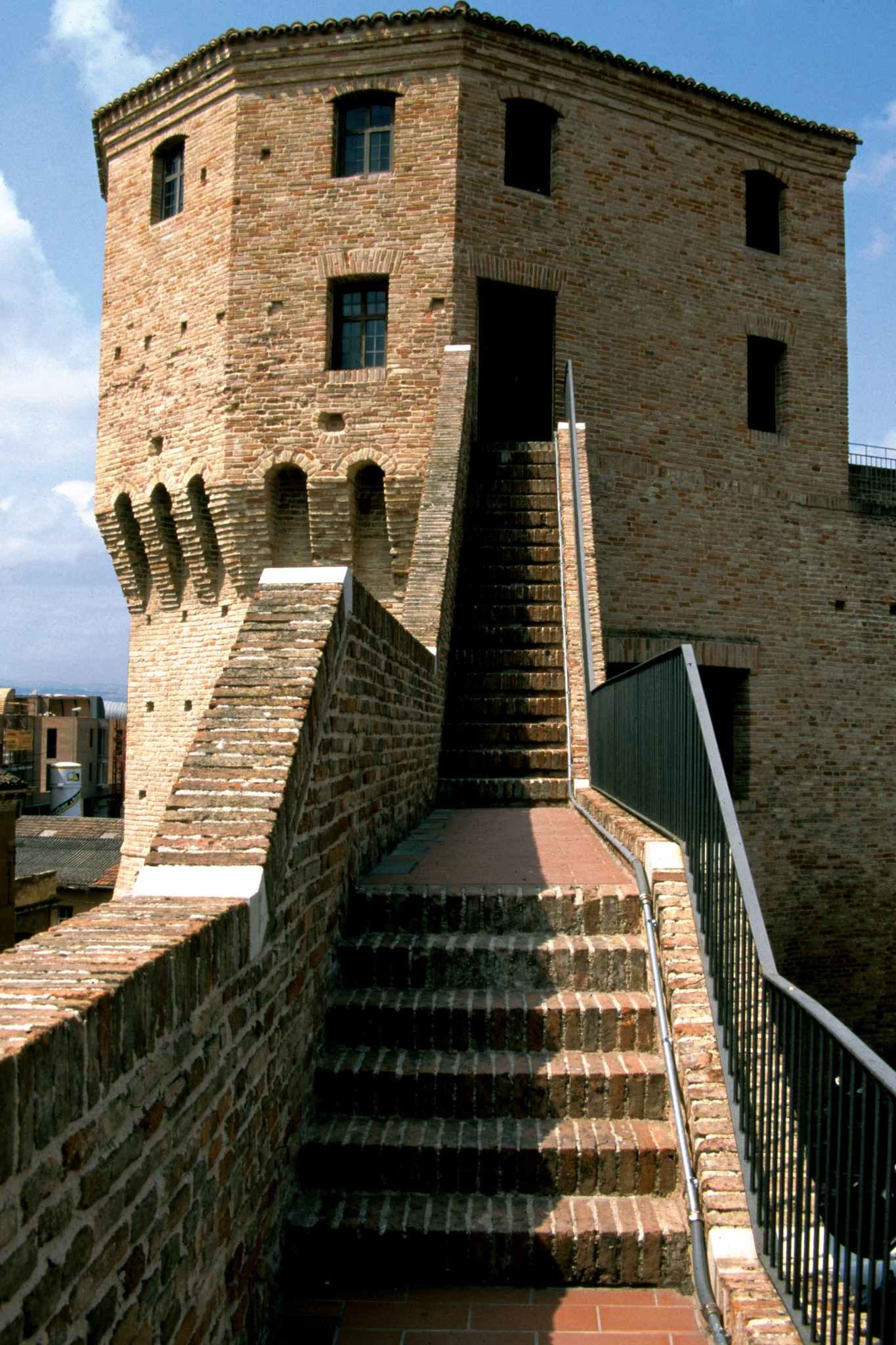
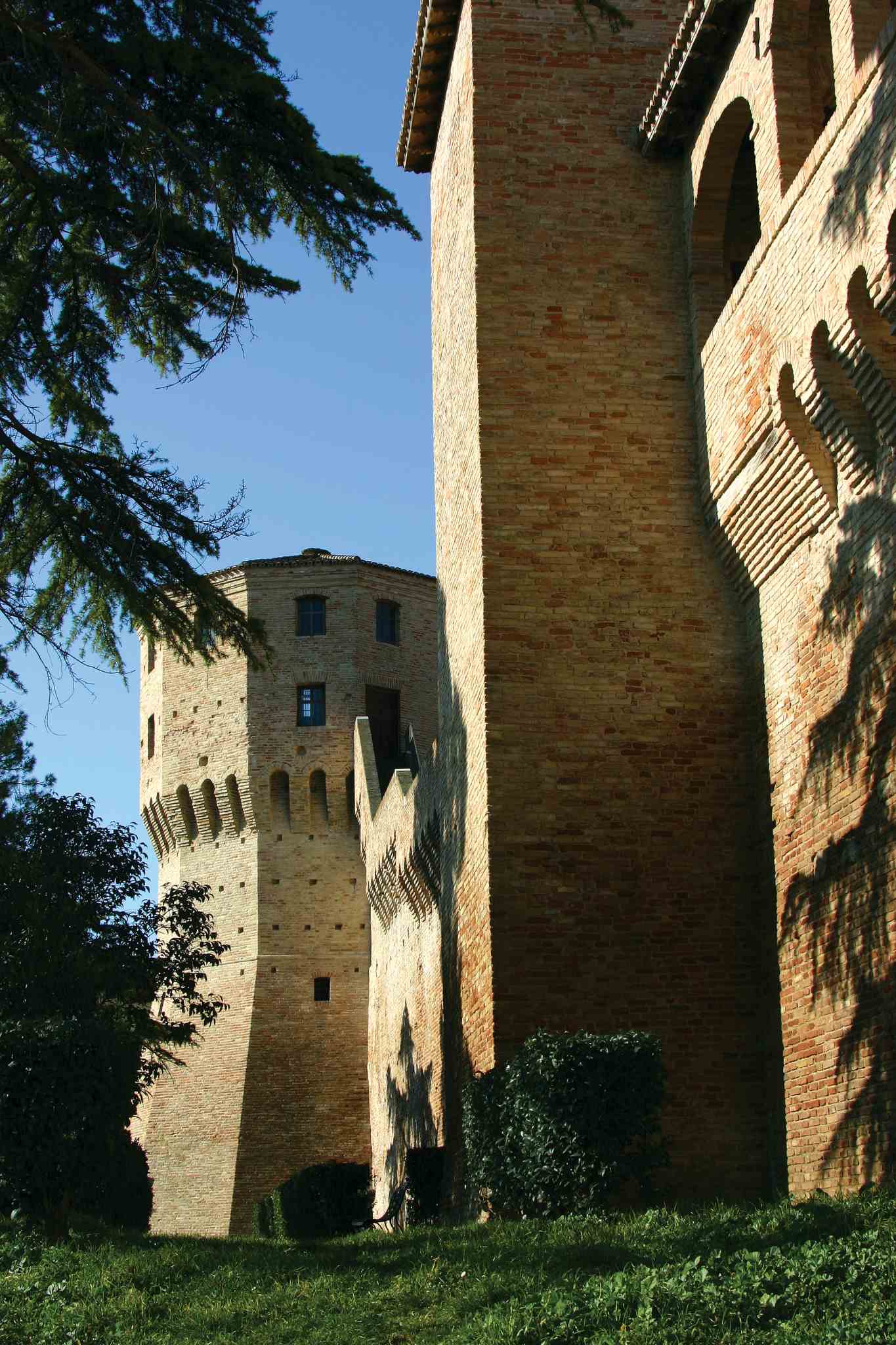
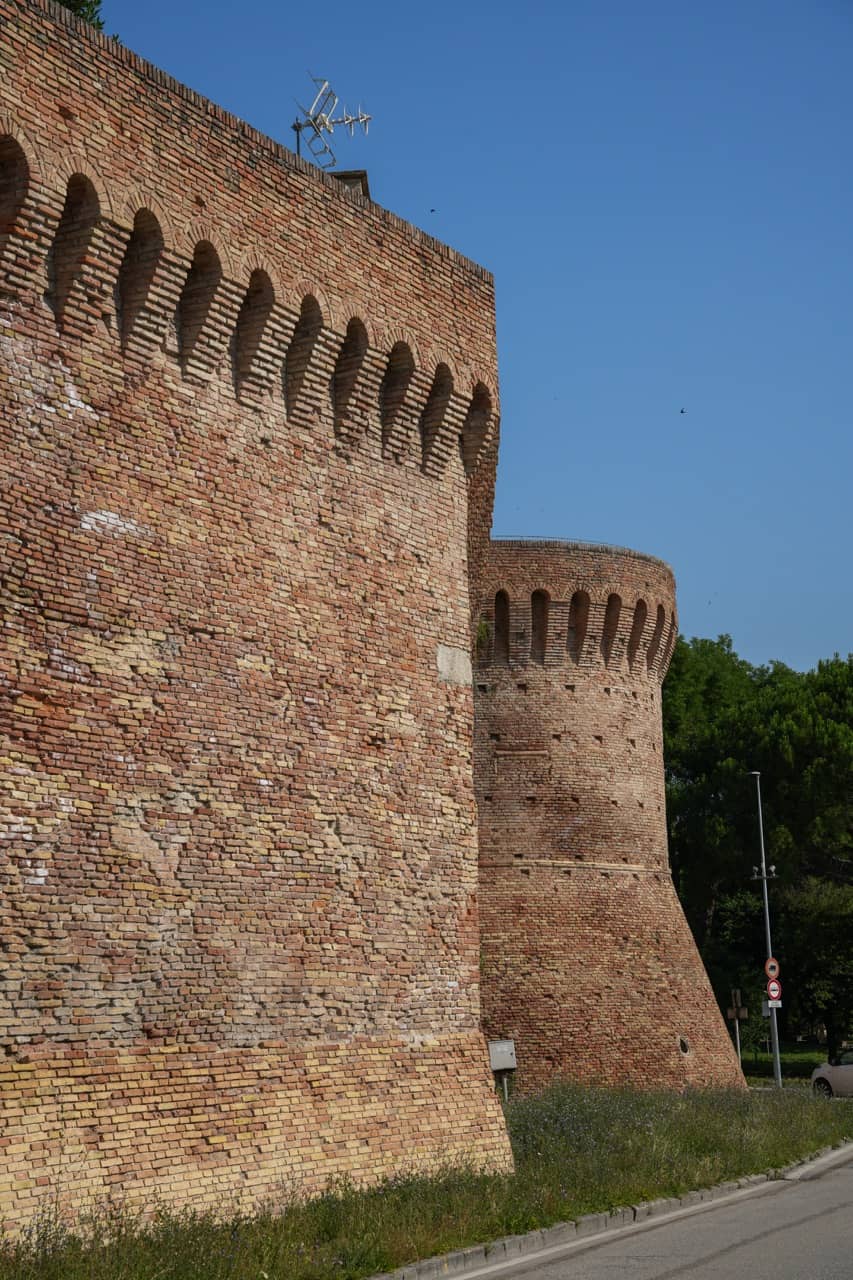
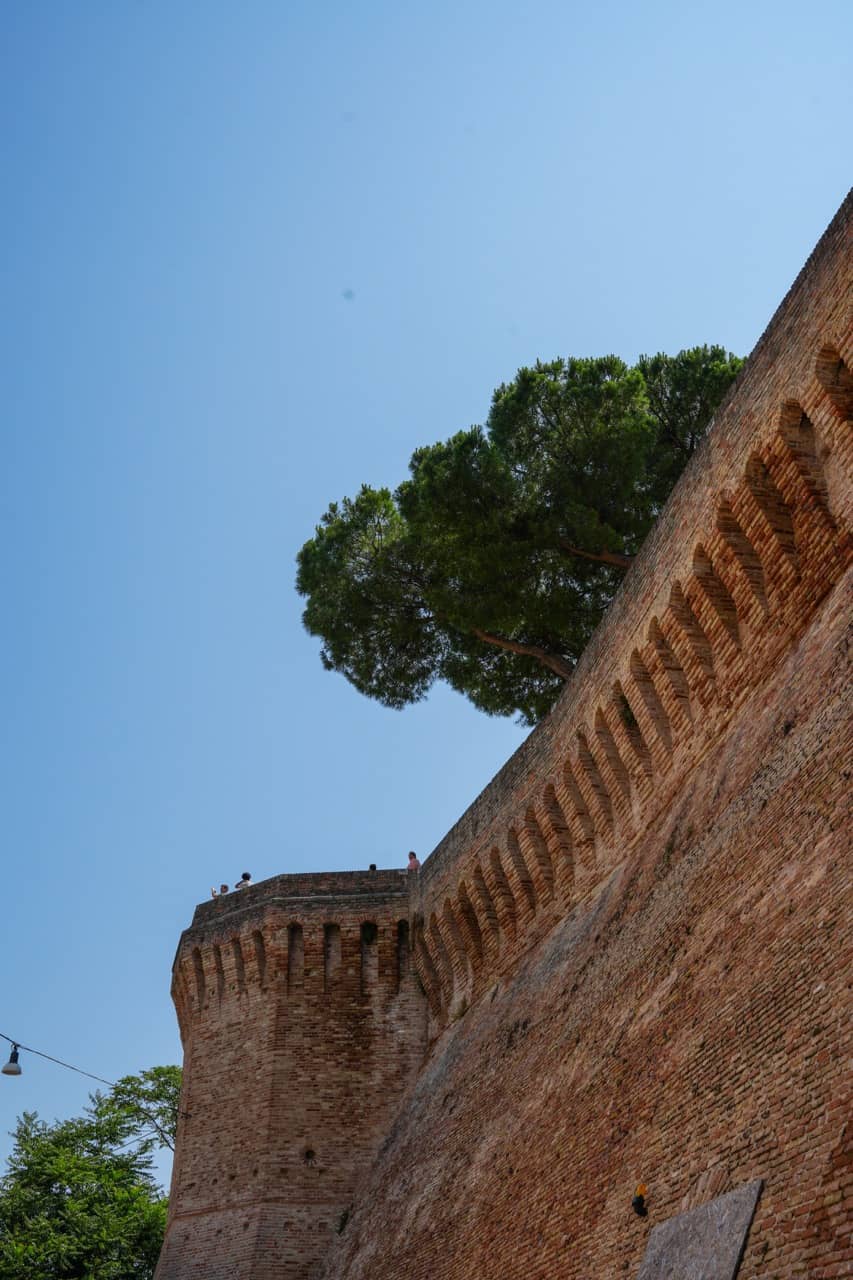
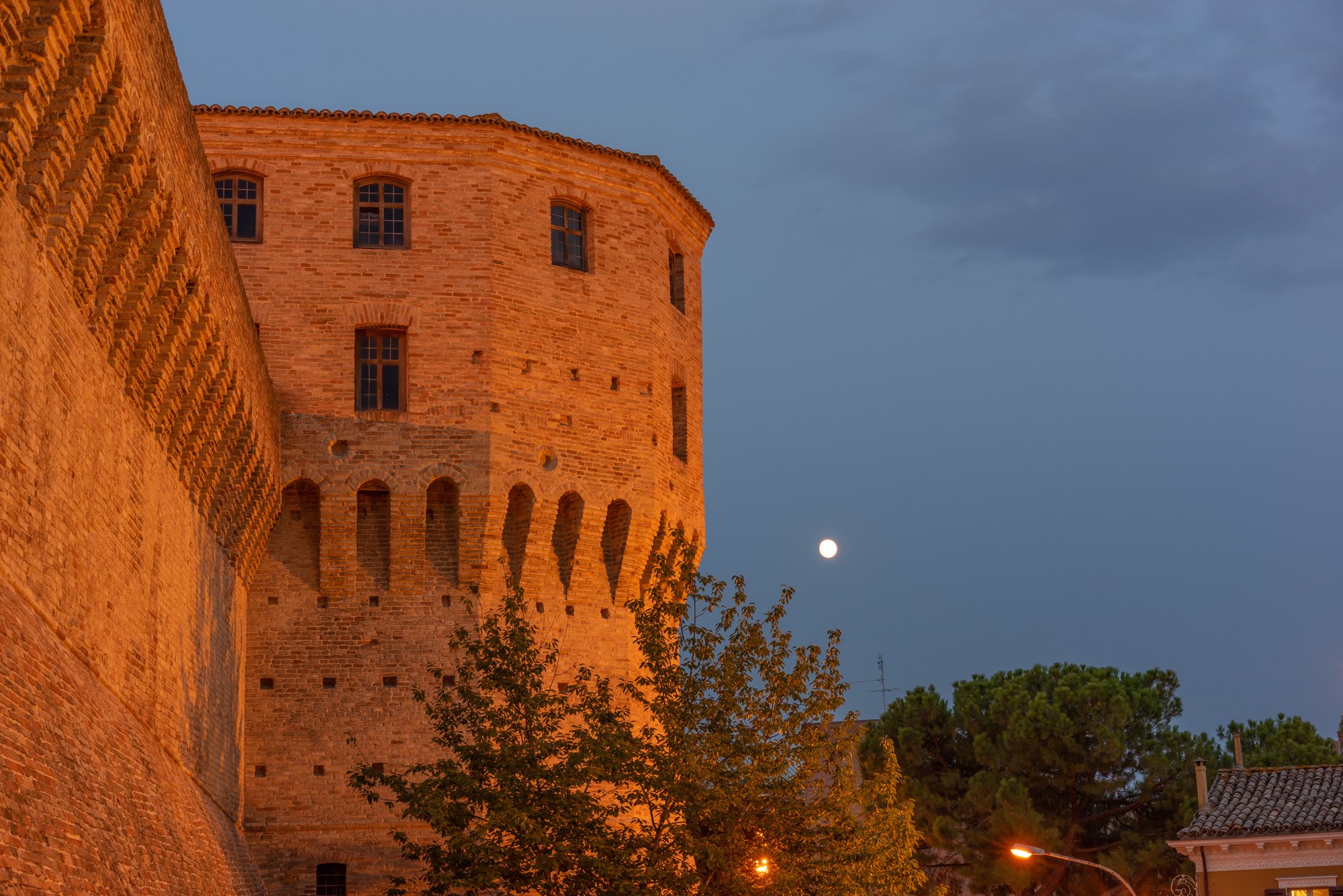
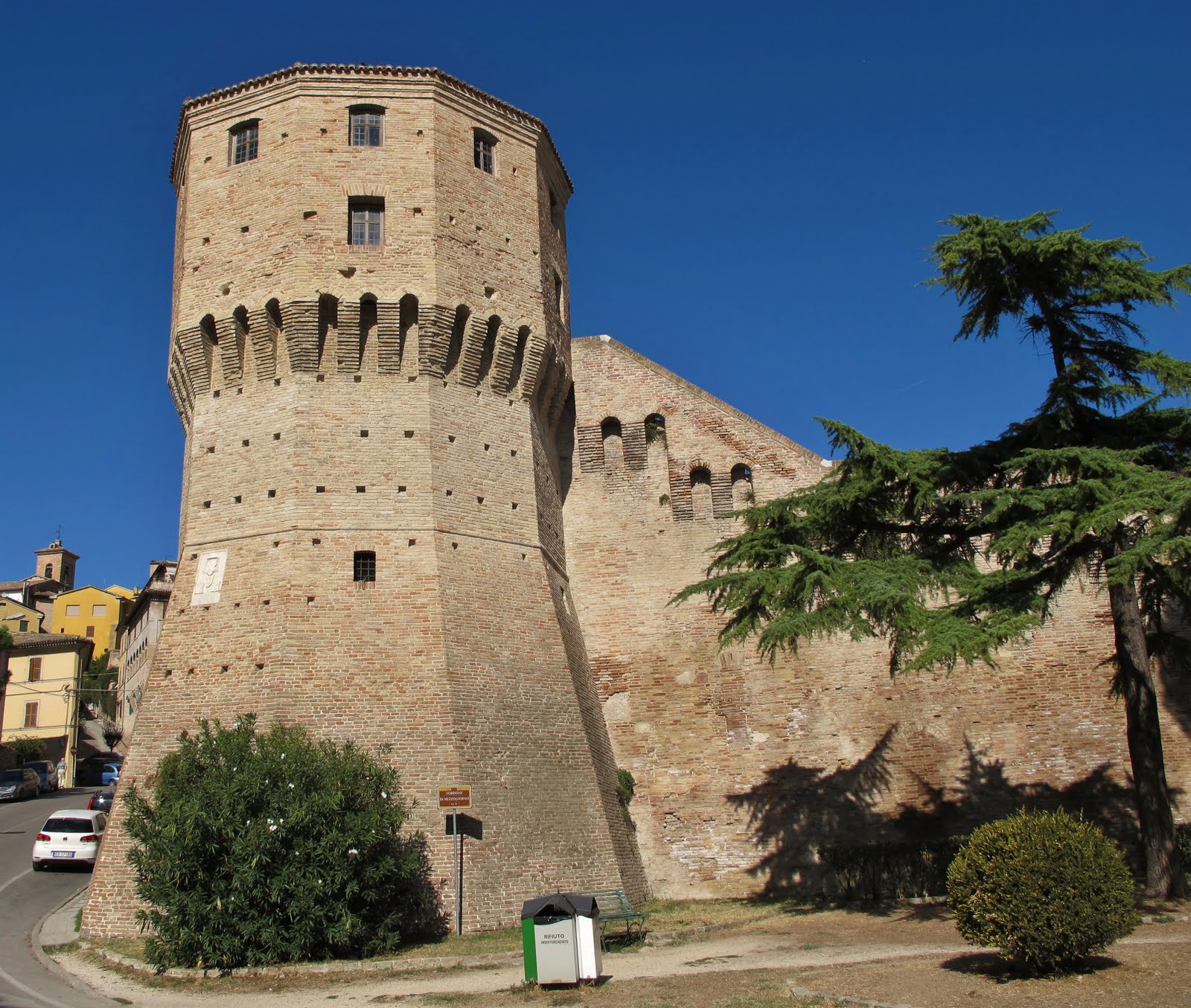
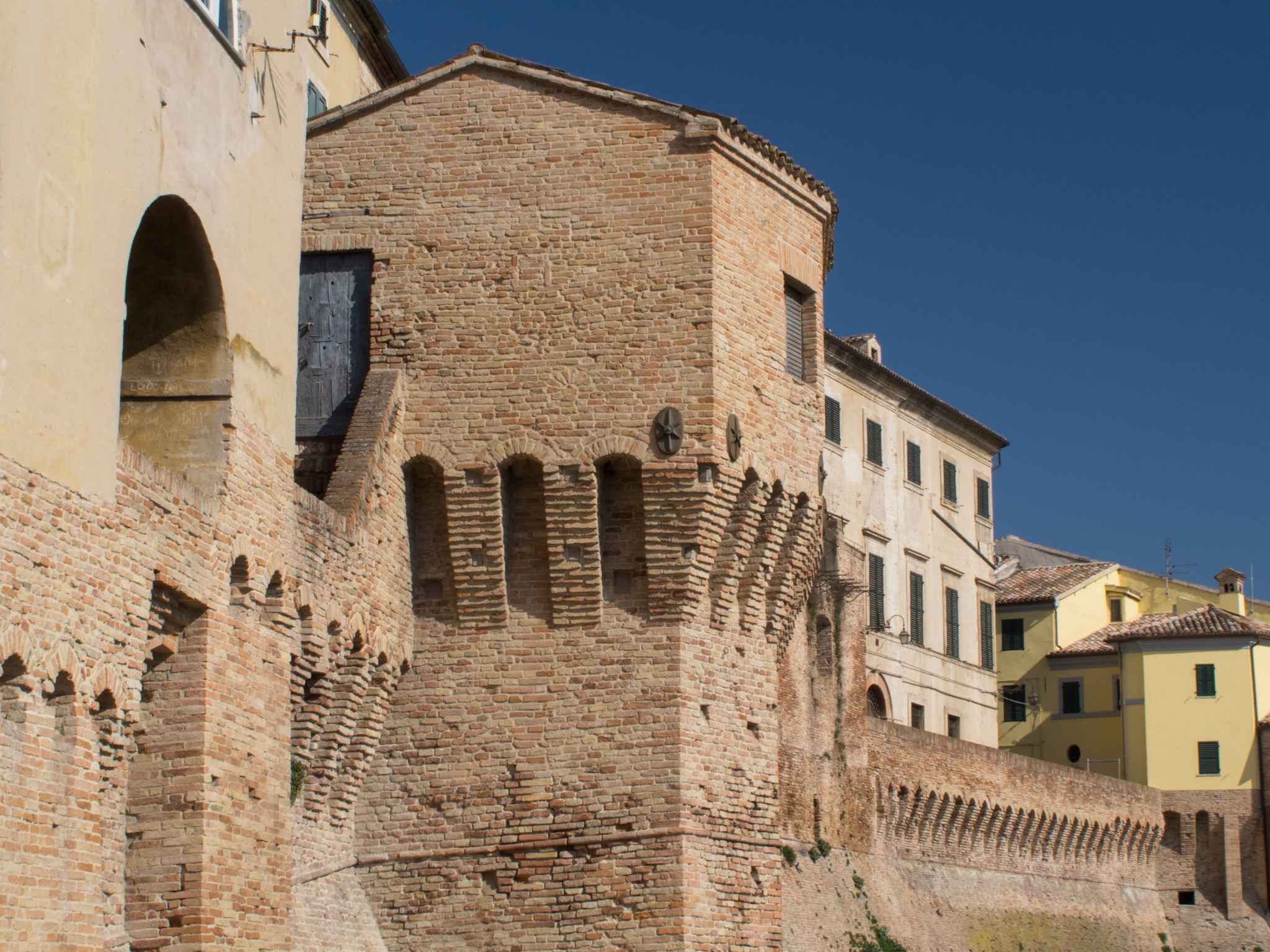
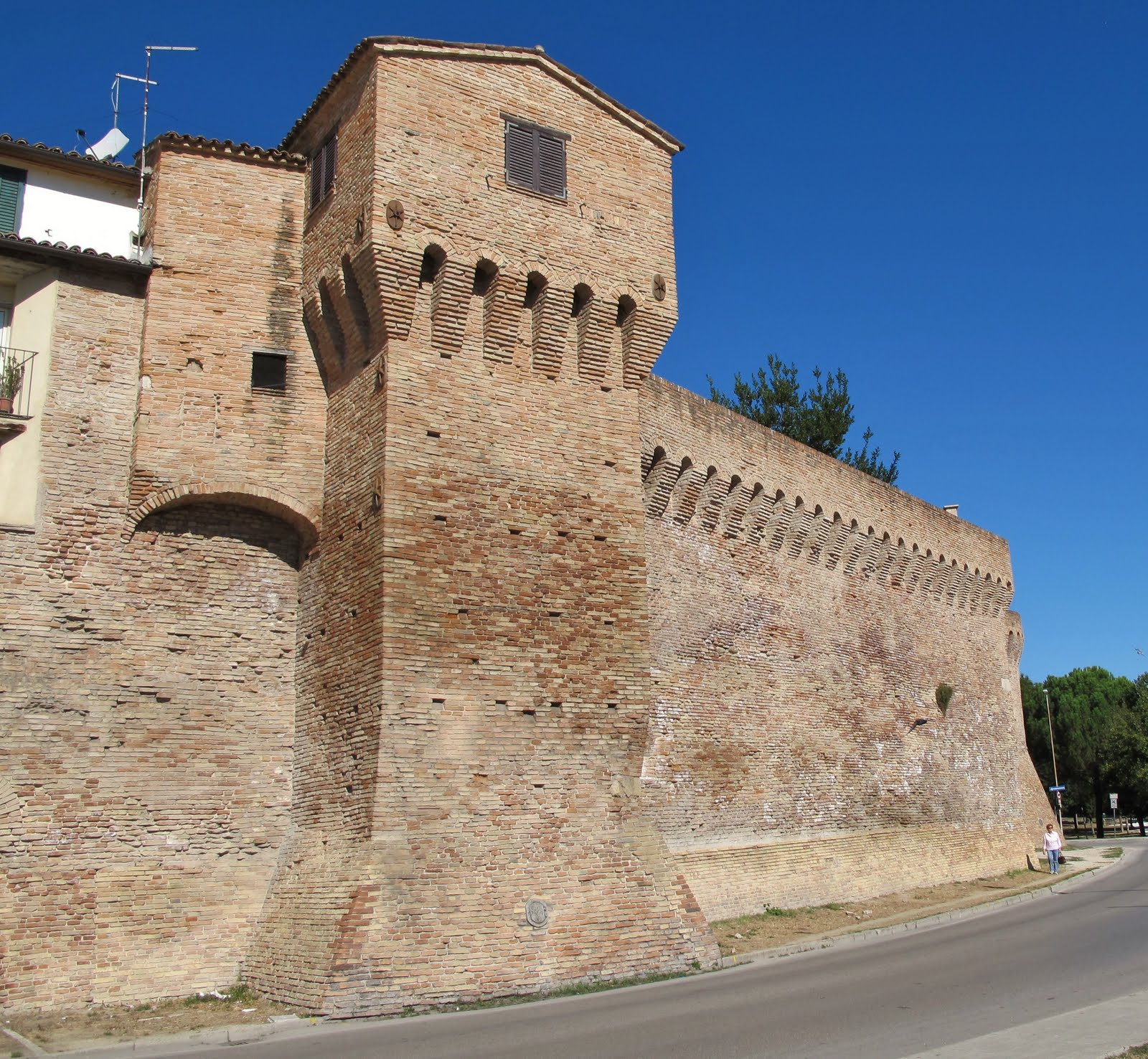
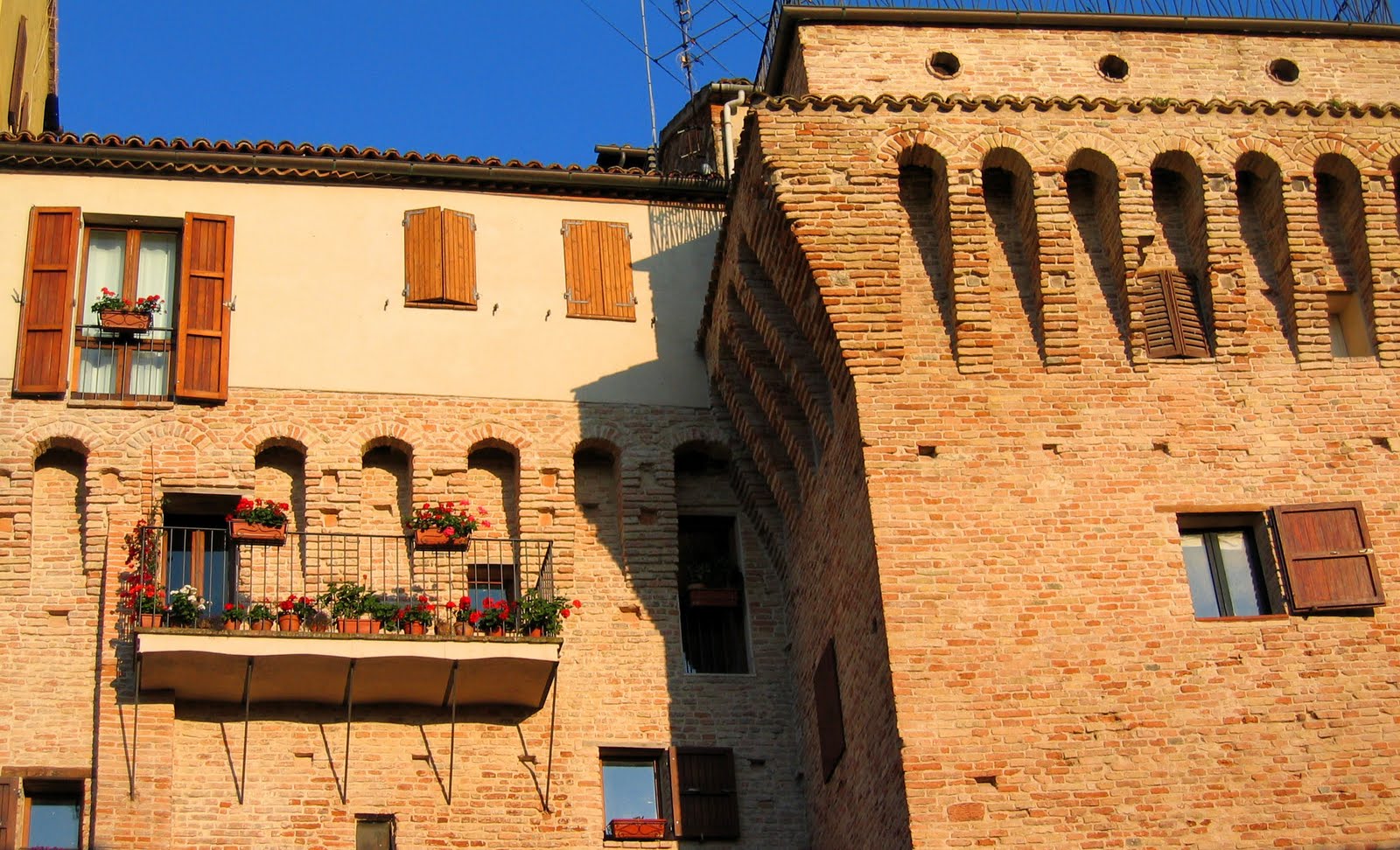
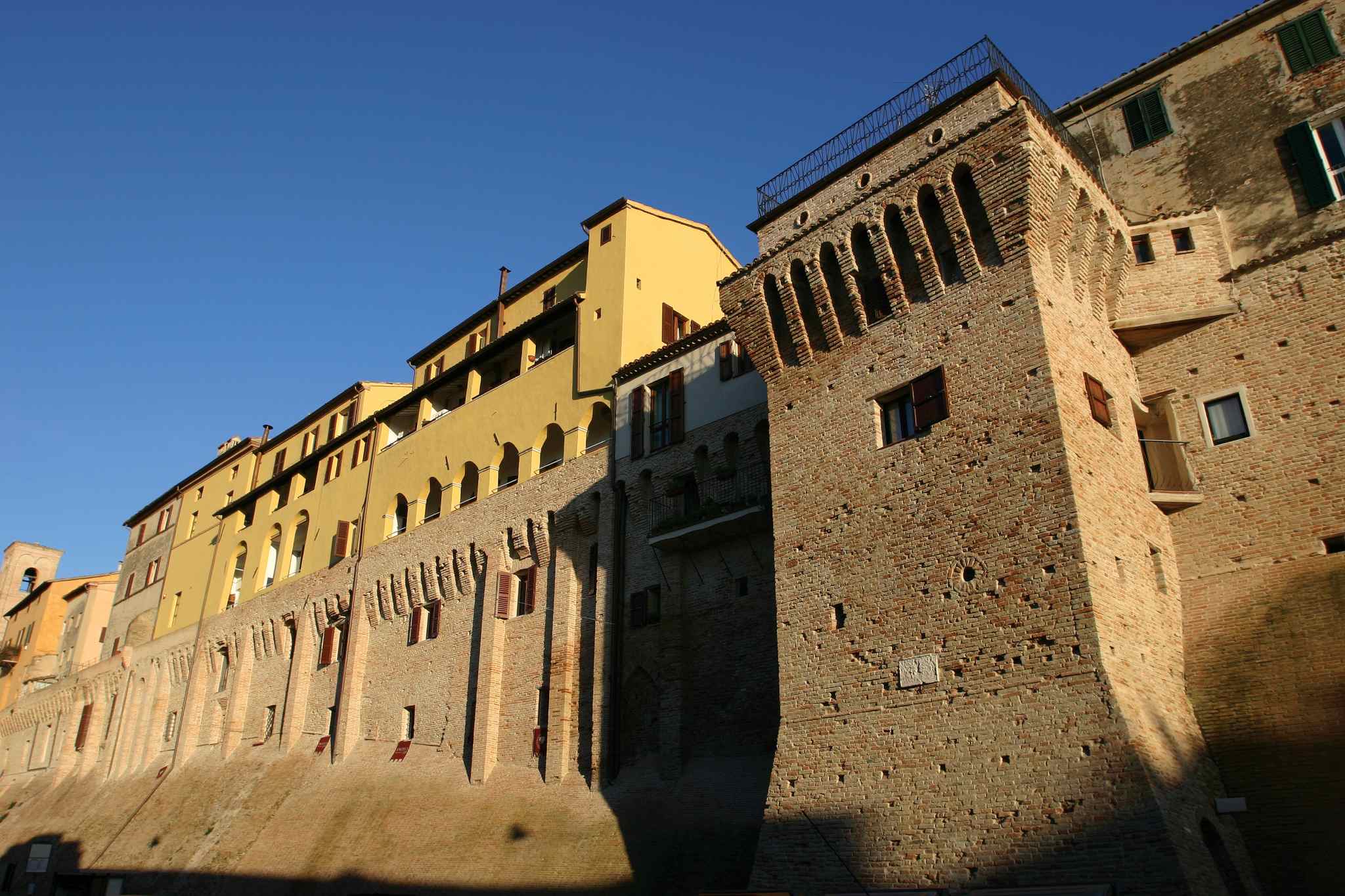
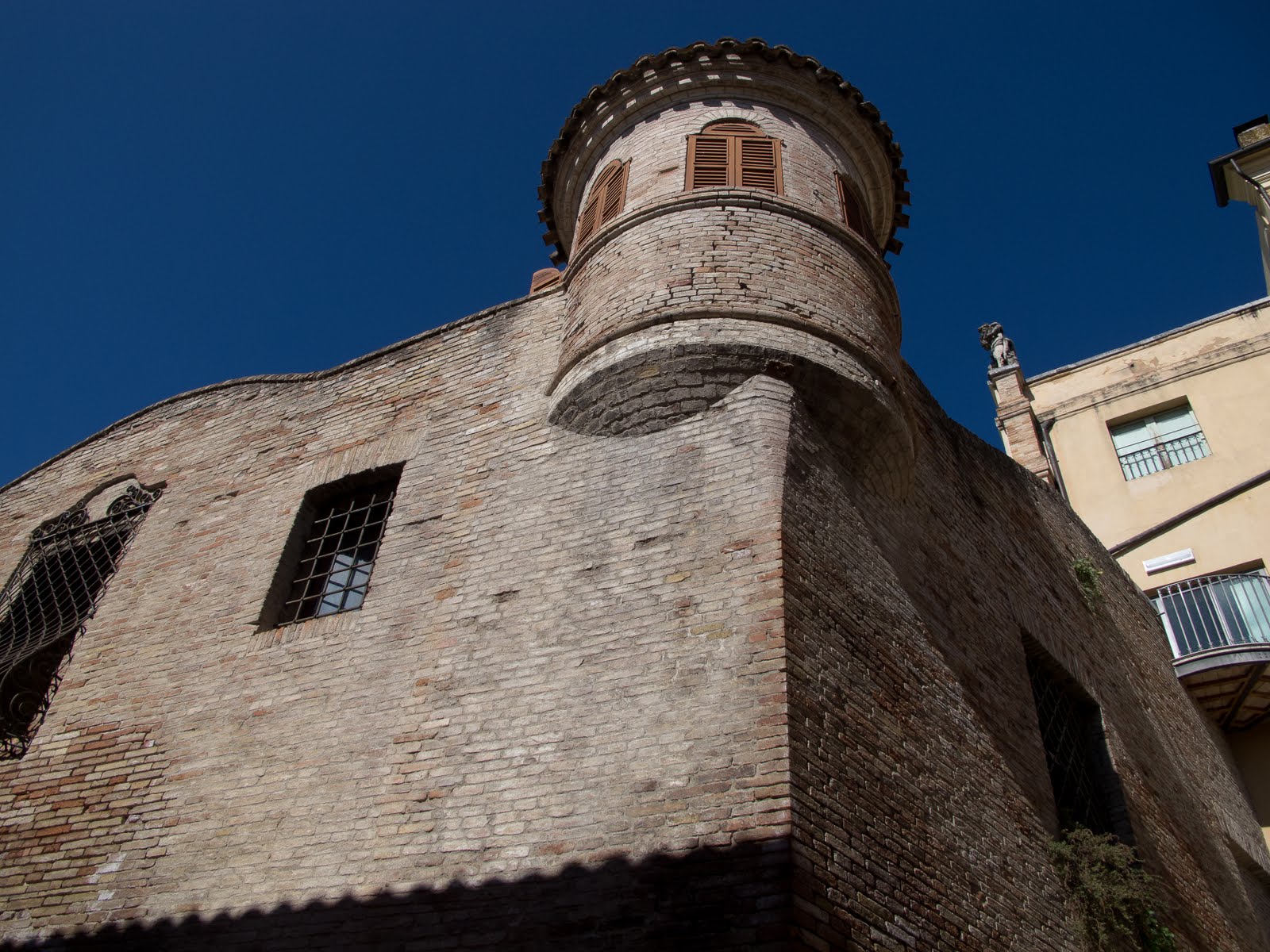
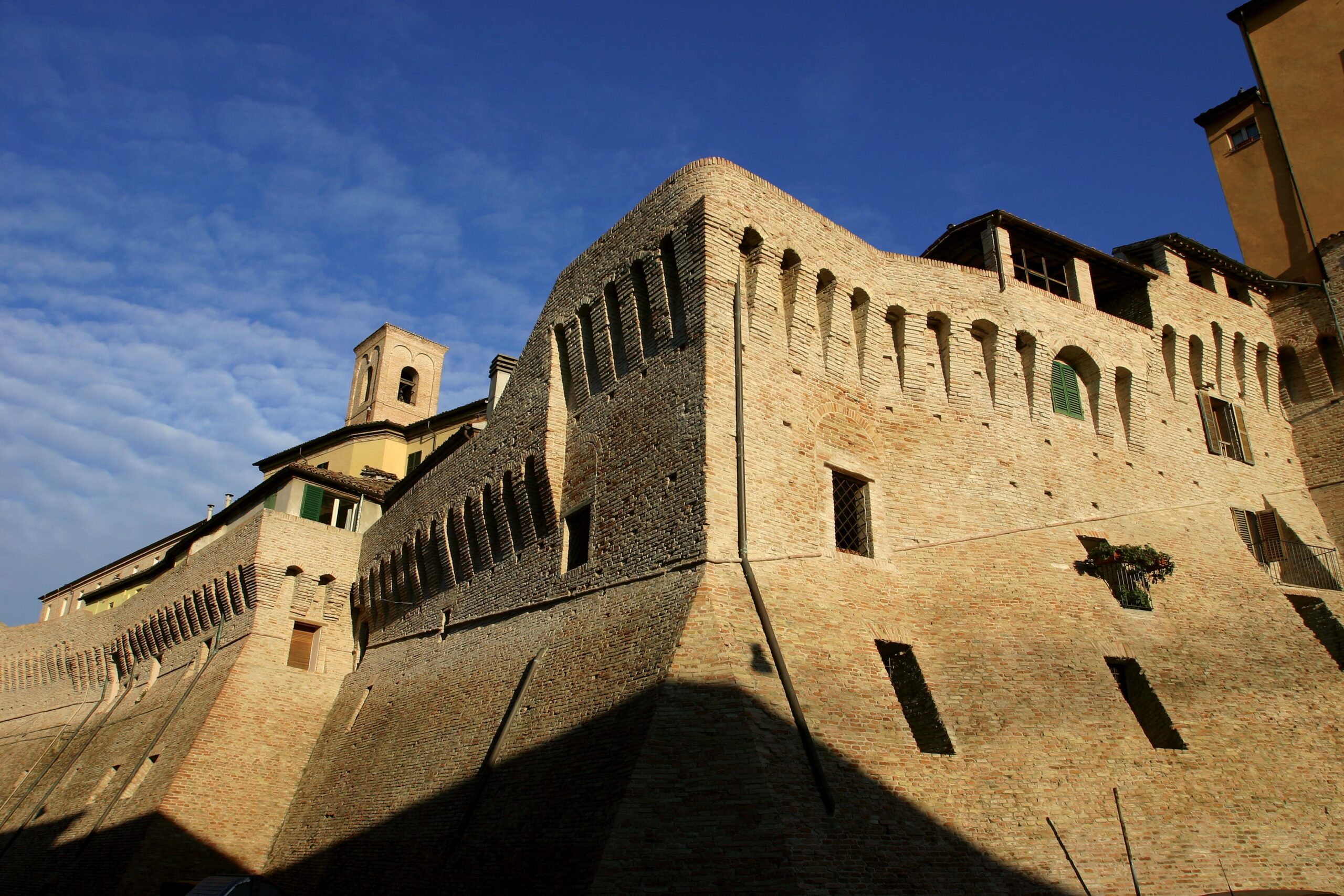
The medieval part of the city is enclosed by a city wall stretching for one and a half kilometres. Built during the medieval period (13th-14th centuries), the walls follow and perhaps expand the old Roman layout. They were renovated towards the end of the 15th century by the Florentine military architect Baccio Pontelli. One of the main features of Jesi’s fortified walls is the variety of architectural forms, adapted to the terrain conditions and the very different elevations (from 96 metres at the Arco del Magistrato to 66 metres at Porta Valle). Built entirely of brick, the walls still preserve the characteristic elements of the defensive system: towers of various shapes (square, polygonal and cylindrical), gates (the four main ones still survive), curtain walls crowned with arches and corbels, and arrow slits.
From the 17th century onwards, the walls gradually lost their role as a defensive stronghold, and the addition of extra storeys to residential buildings began. At the Heart of the Walls
Inside Palazzo Battaglia, partly built on the ancient city walls, a public passageway known as the Pusterla was opened. This highly evocative pedestrian route allows visitors to enter the heart of the walls and connects Via Federico Conti, just a short walk from the Palazzo della Signoria, with Via Nazario Sauro and the covered market. The Renaissance Extension
At the end of the 16th century, it was decided to build new walls to incorporate the buildings that had grown outside the medieval city along what is now Corso Matteotti. The works progressed slowly and continued until the end of the 17th century. Rather than forming a new defensive system, these walls, from which two streets in the historic centre take their names, Via Mura Occidentali and Via Mura Orientali, served merely as an enclosing boundary.