Jesi Cemetery
Sculptures, chapels, avenues and memories that intertwine art and spirituality.
A place where architecture and symbolism tell collective and personal stories,
preserving the city’s heritage within a landscape of quiet beauty
The Jesi cemetery is a place with a long history.
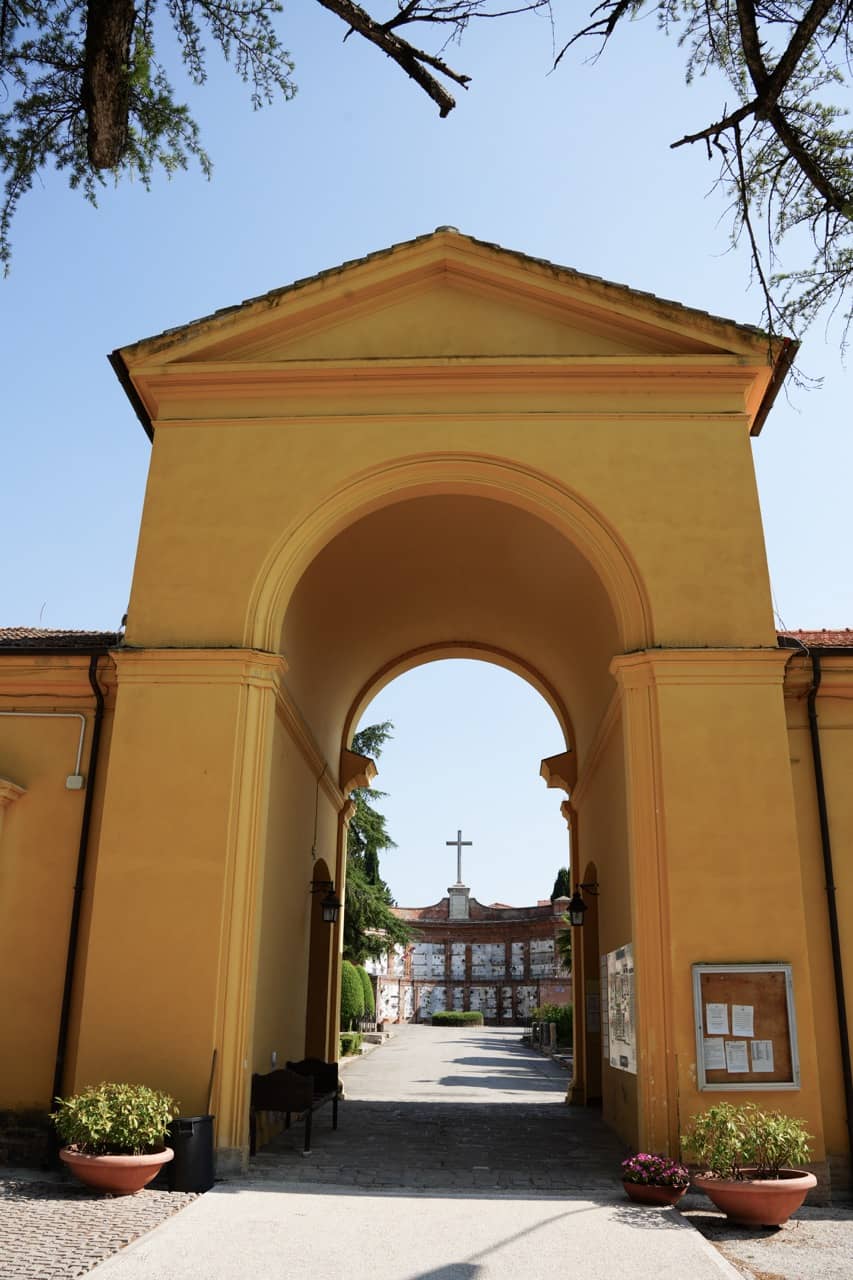
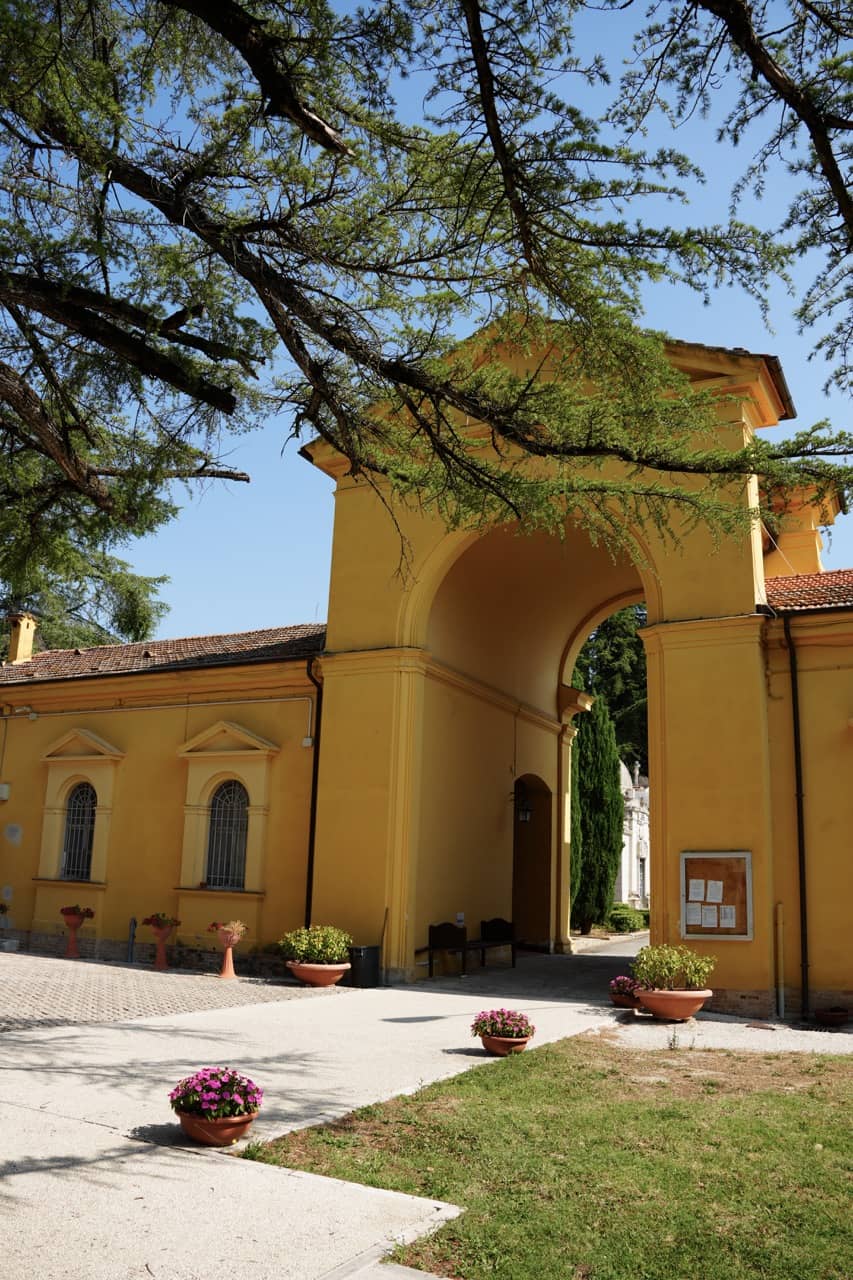
Its construction began in 1813, just a few years after the issuance of the Napoleonic Edict of Saint Cloud, which established the obligation of burial outside towns, but it encountered delays and difficulties, due to the fact that the population did not want to give up the ancient custom of burial in church.
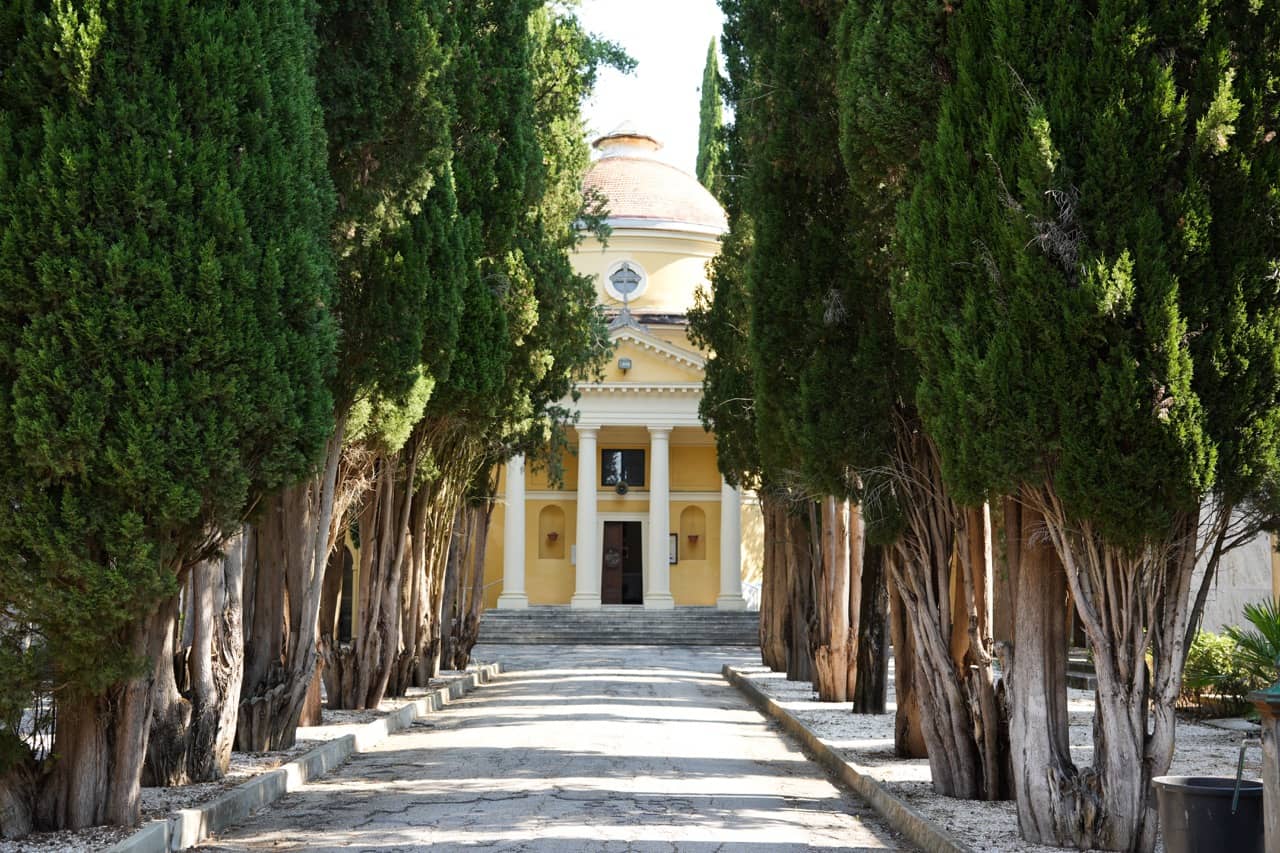
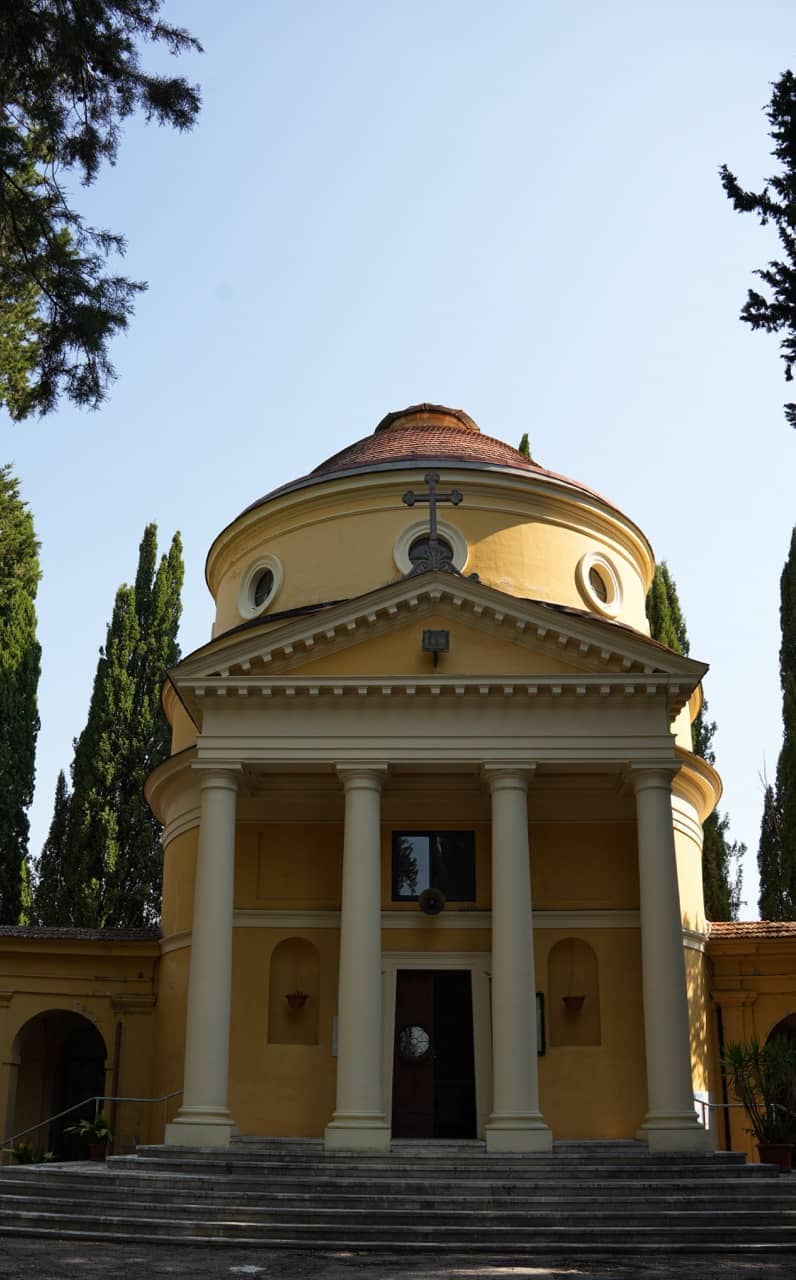
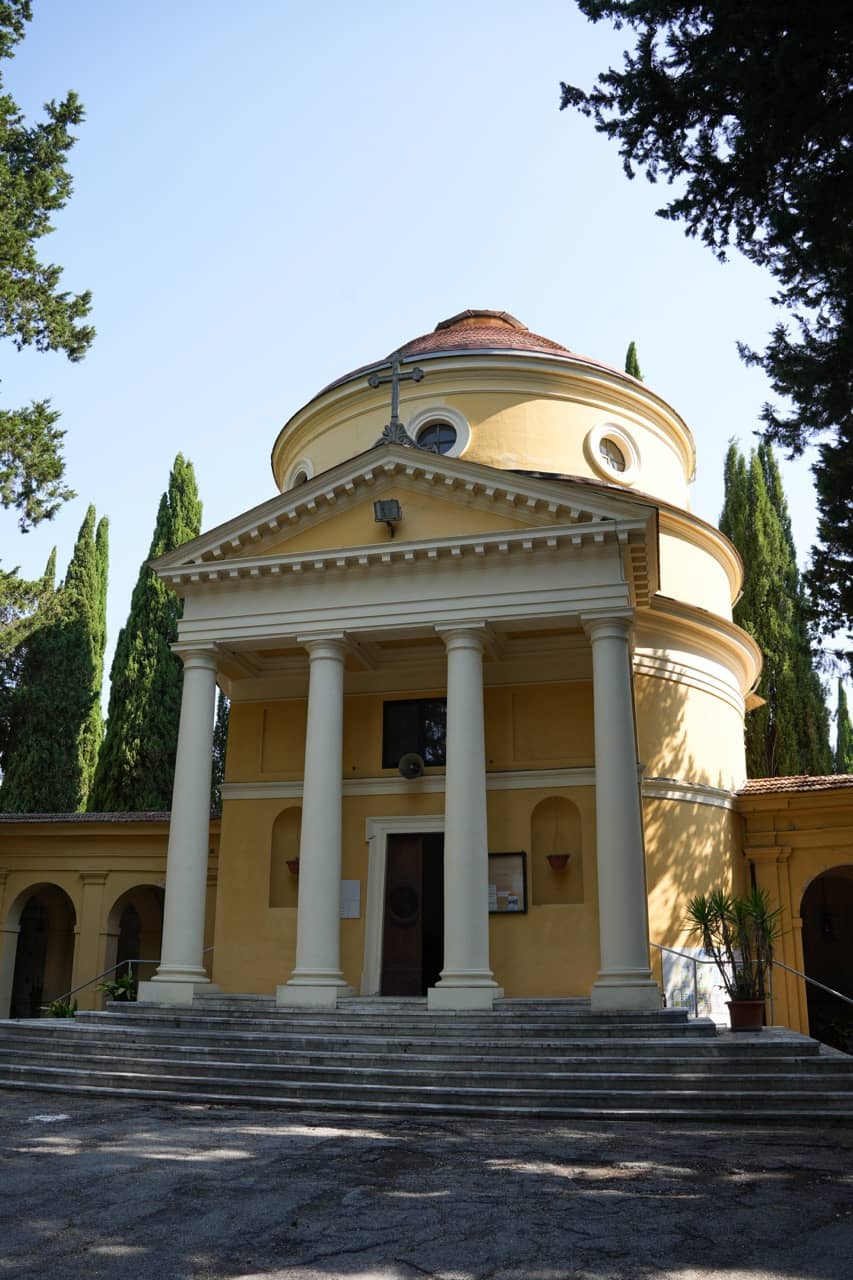
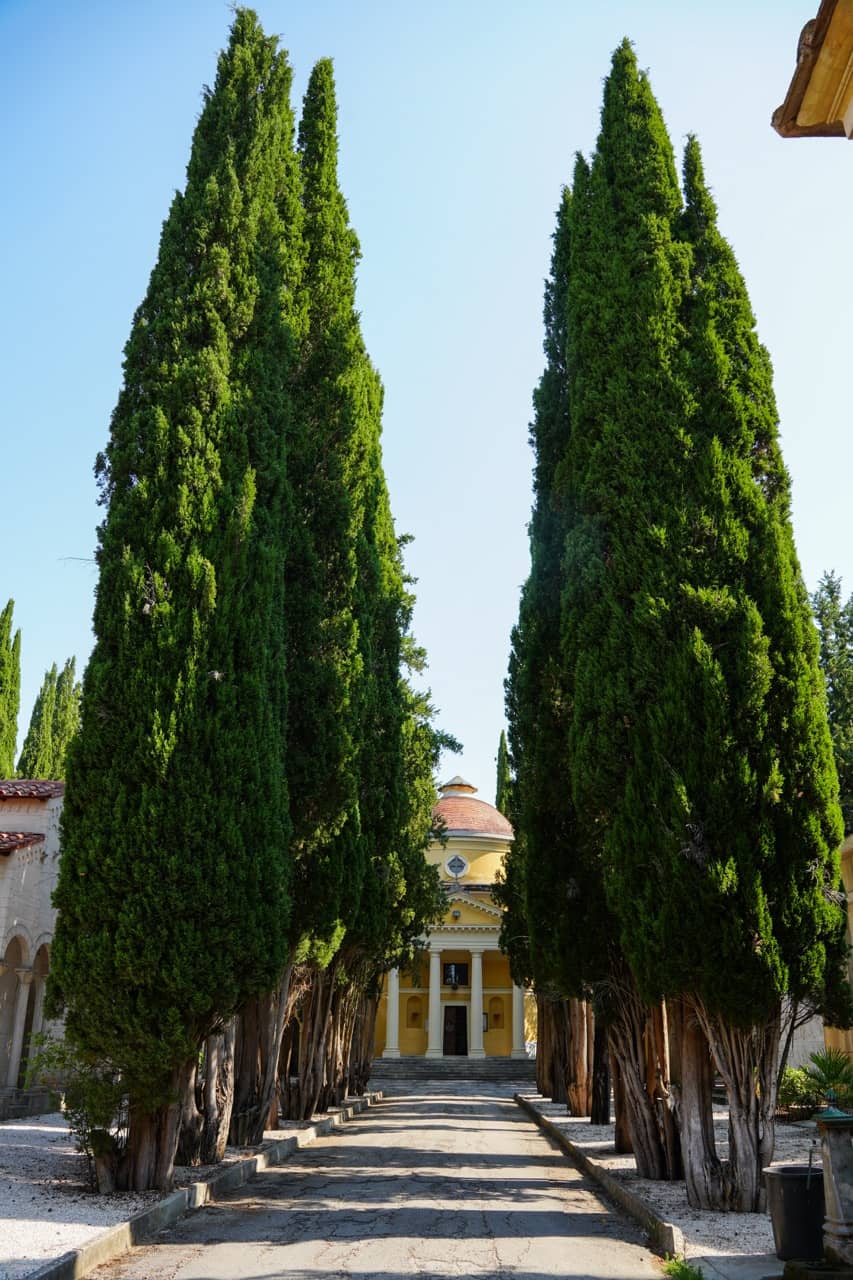
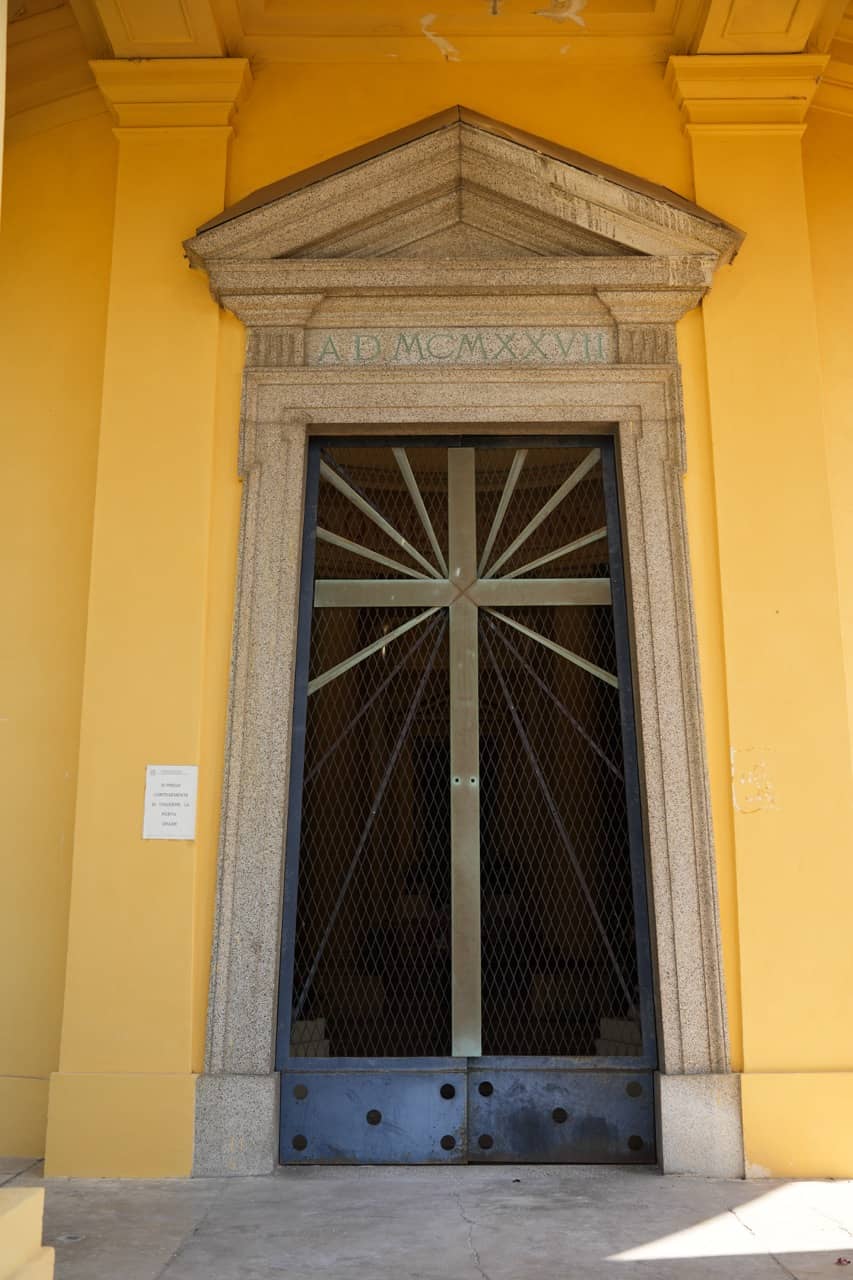
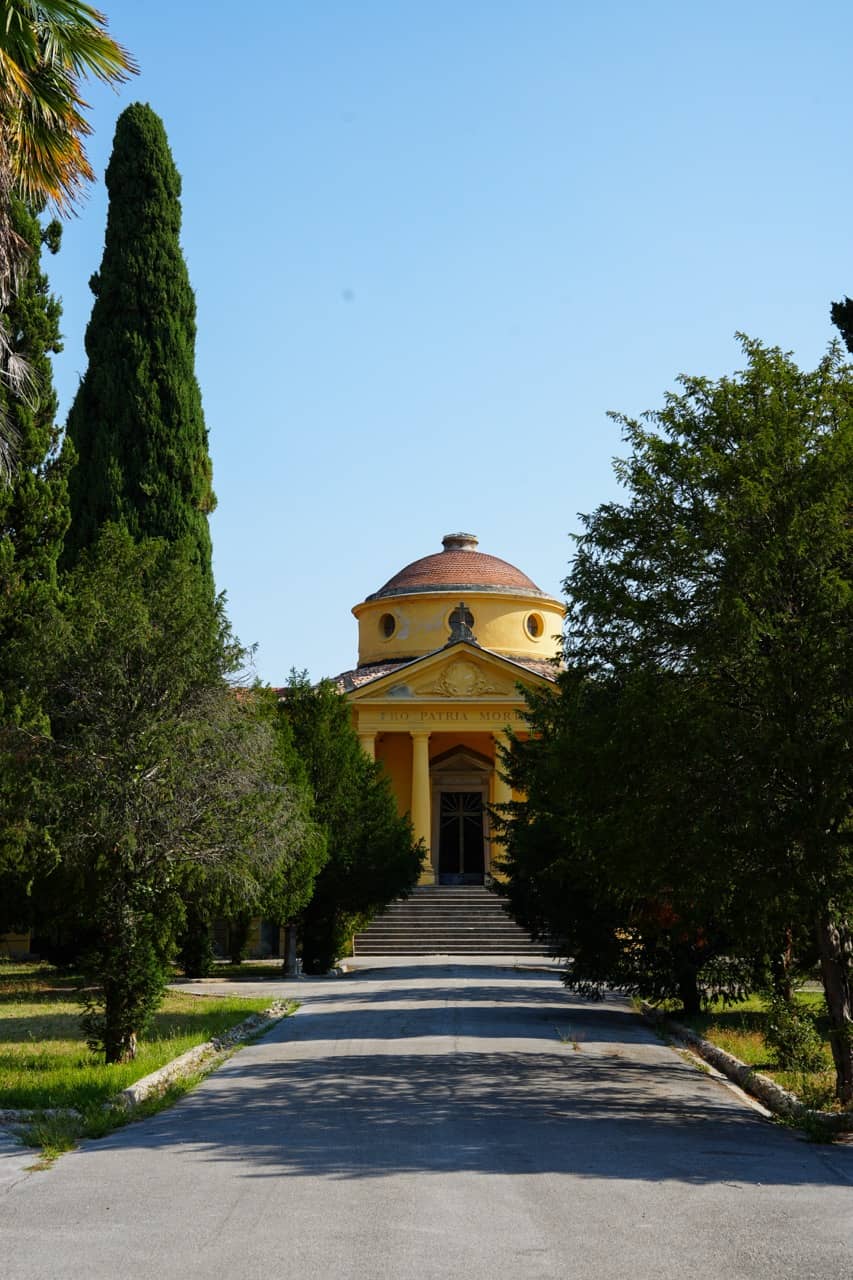
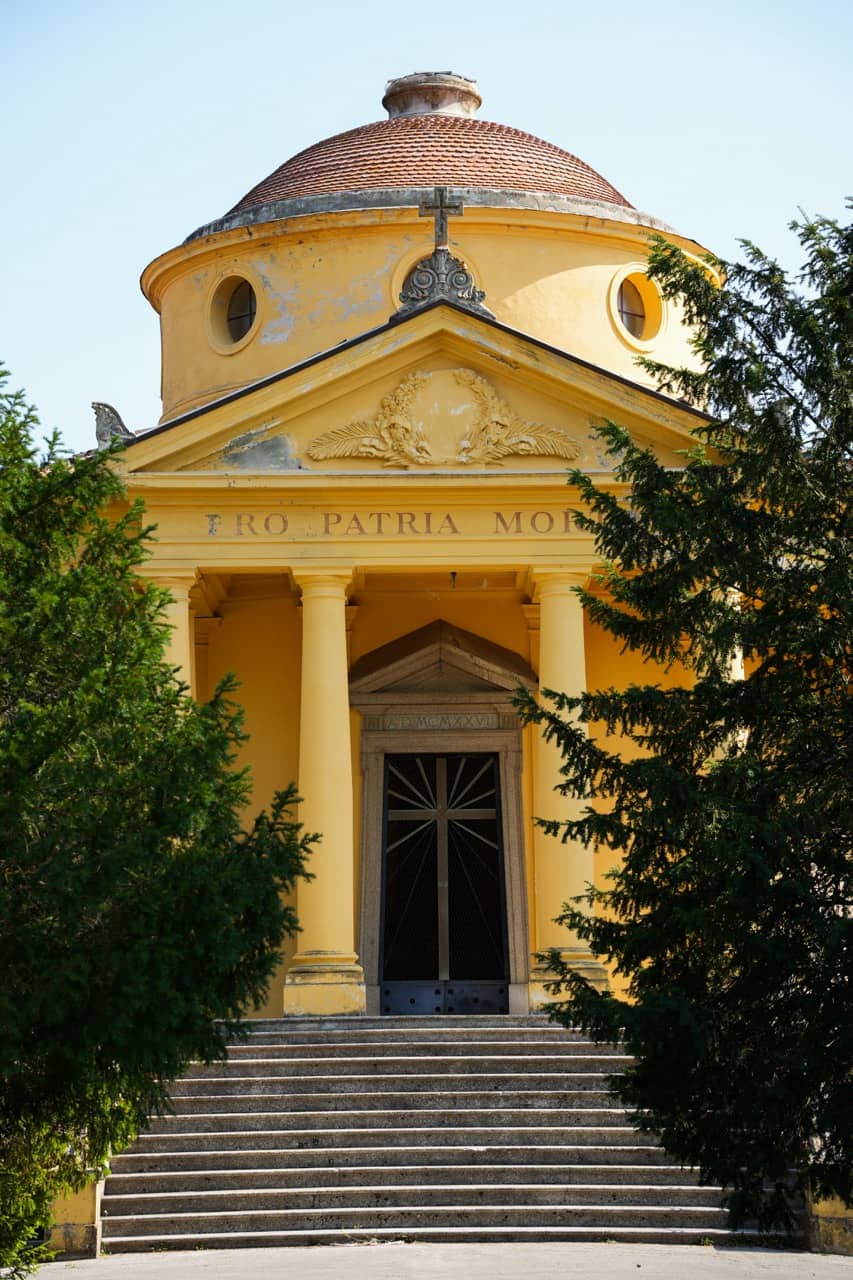
In the second half of the 19th century, the cemetery was actually in operation; noble families erected private chapels near the church, while in 1928 the Famedio, the “temple of fame”, was inaugurated, in which the fallen of the wars and the martyrs of freedom are commemorated.
The sculptures and decorations by artists such as Silvio Ceccarelli and Galileo Chini or the art deco and rationalist style chapels are true works of art. Among others, Valeria Moriconi and Corrado Olmi are buried here with many protagonists of Jesi’s cultural and industrial life.
Between 1990 and 2001, the cemetery was enlarged following a design by architect Leonardo Ricci. For its very particular soaring and powerful architecture (including the pyramid that stands out at the highest point and offers an extraordinary view of the town of Jesi) and for the materials used (exposed concrete) it is one of the most significant examples of Brutalist architecture in the region
Useful information
OPENING HOURS
Monday to Sunday:
- November, December, January and February: 8:00 AM – 5:00 PM
- March and October: 8:00 AM – 6:00 PM
- April and September: 8:00 AM – 7:00 PM
- May, June, July and August: 7:00 AM – 7:30 PM
contacts
CIMITERO DI JESI
Via Santa Lucia, 1 bis – 60035 Jesi (AN)
www.significantcemeteries.org/2025/07/monumental-cemetery-of-jesi-jesi-italy.html


